Translate or localize? That is the question
When a startup decides to expand into new markets, the first question is usually: “we already have the website in English, we just need to translate it, right?”
And here’s the important nuance: translating and localizing aren’t the same thing, especially when we’re talking about digital products, software, or apps.
Does your startup need a technical translation or a creative localization? Here’s a clear breakdown.
What is technical translation?
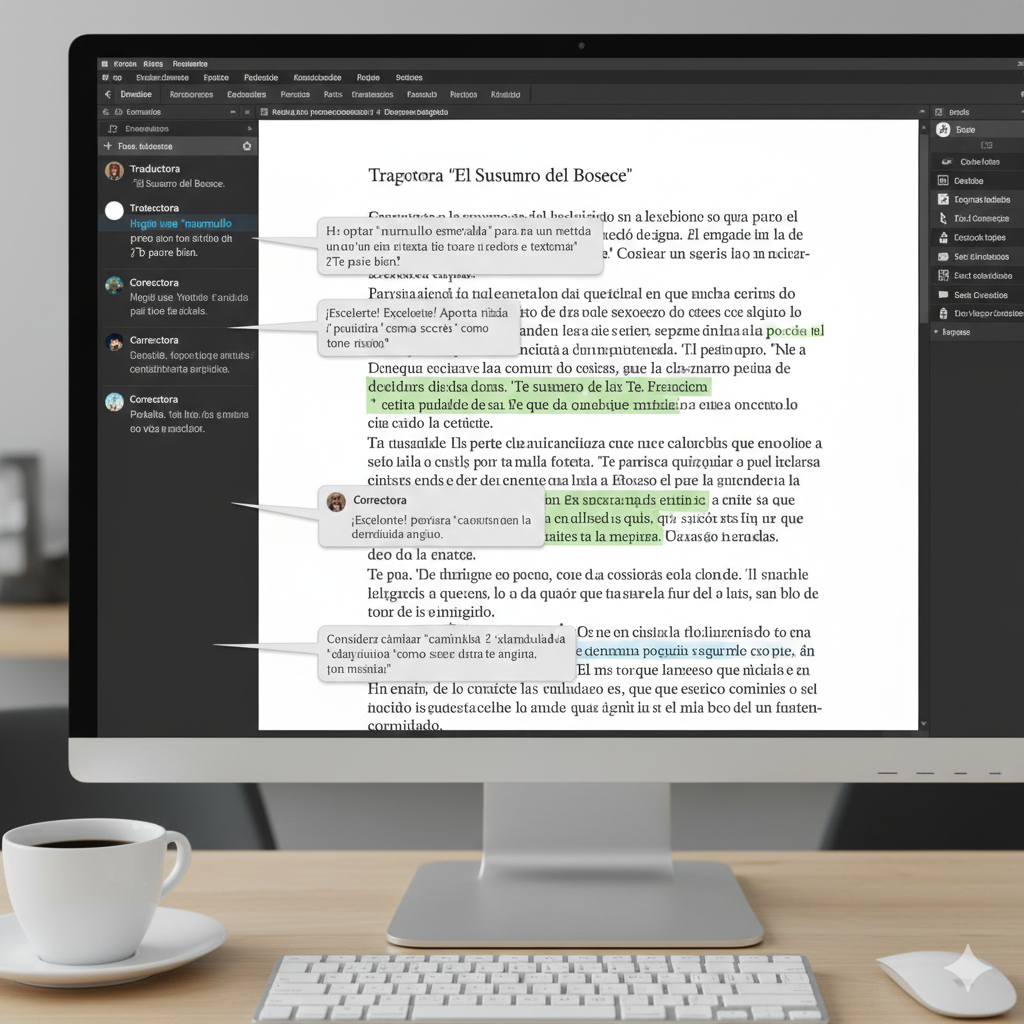
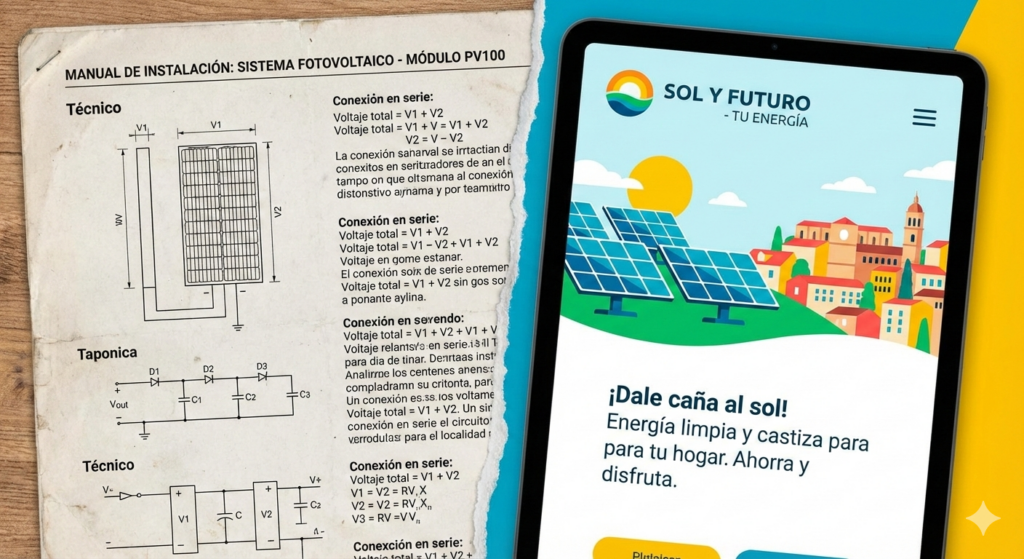
Technical translation focuses on terminological and functional precision. It’s used for manuals, spec sheets, product documentation, help centers…
Its priorities are clarity, consistency, and accuracy.
Ideal for:
- Technical specifications
- Internal documentation
- User instructions
- Installation or maintenance protocols
What is creative localization?
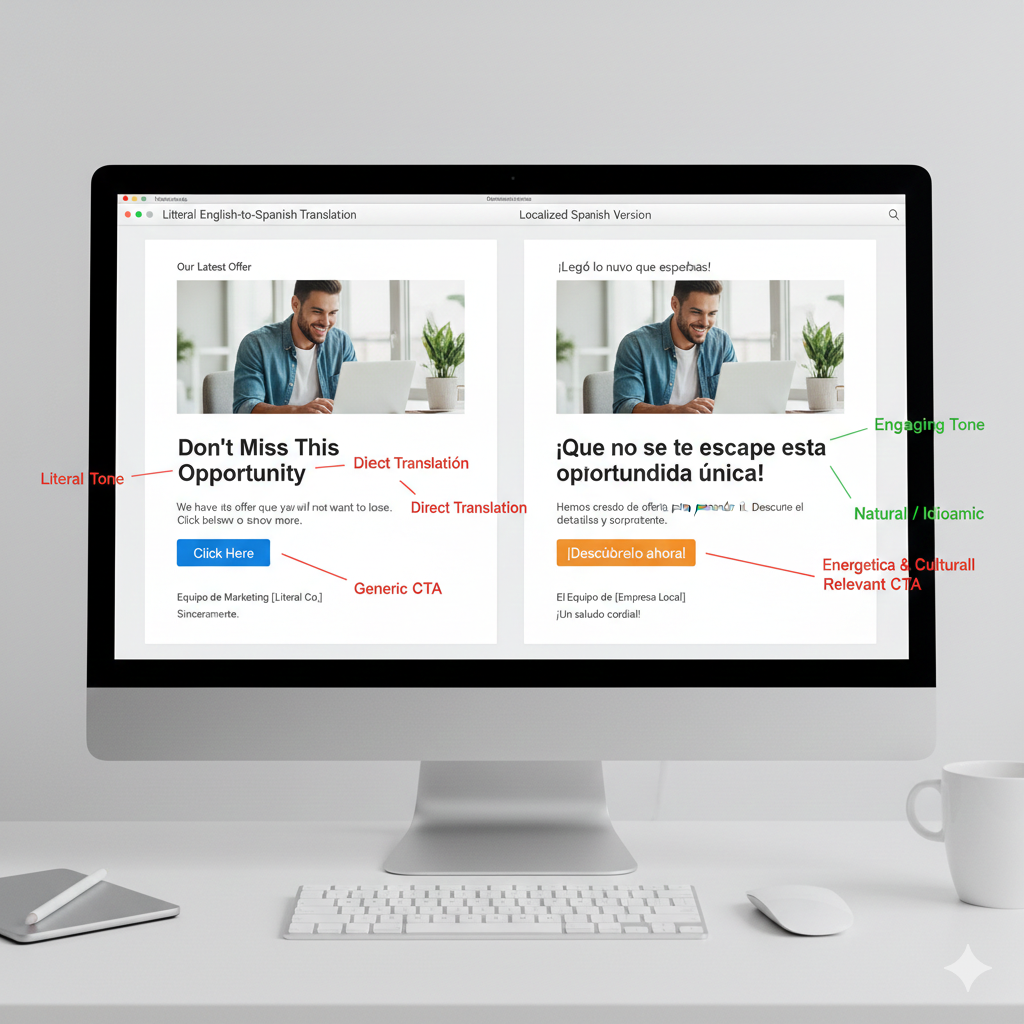
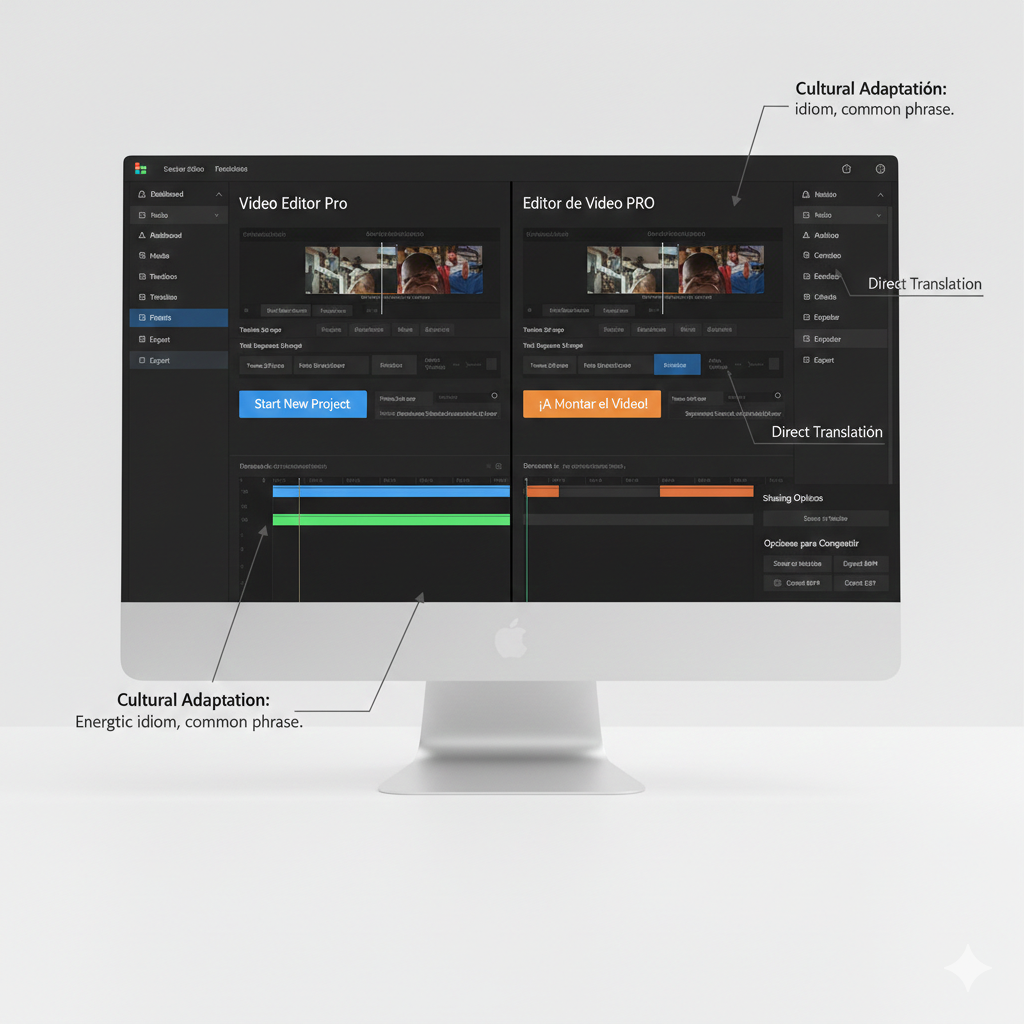
Creative localization goes beyond translating words: it adapts the message, tone, and rhythm to connect emotionally with the local audience.
It’s what makes your app or website “sound” right in Spanish, as if it had been created there.
Ideal for:
- User interfaces
- Onboarding emails
- Landing pages
- Promotional copy and microcopy
Which one does your startup need?
It depends on what you want to translate and how you want to position yourself in the Spanish-speaking market.
| Content type | What do you need? |
| Product manual | Technical translation |
| Homepage | Creative localization |
| FAQ or help center | Technical with a human touch |
| Email campaigns | Creative localization |
| App onboarding | Localization with intention |
| Developer documentation | Technical translation |
What if you need both?
Most startups with digital products need a smart combination of both approaches. Translate the technical side with rigor, and adapt with soul whatever speaks to the customer.
And that’s where a linguist who understands both dimensions comes in: the rational and the emotional, the functional and the persuasive.
Want help deciding what type of translation your content needs?
Request a free review of a screen, page, or email. I’ll give you a direct recommendation, no strings attached.