If writing about yourself makes you uncomfortable, it’s not because you don’t know how. It’s because you’re demanding you sound like someone else.
Many translators and language professionals feel the same way: they know how to write, but they don’t know how to talk about their work without feeling strange, forced, or over the top.
This article is an invitation to find another way: professional communication that’s still human. Clear, but without pressure. That represents you.
Why does “sounding like you” matter so much?
Because your messages are the first bridge between you and your potential clients. And if they sound generic, unclear, or put-on, that bridge breaks.
👉 Sounding like you = building trust
👉 Being clear = making decisions easier
👉 Communicating with care = attracting people who value your approach
What often blocks our voice
- Copying formulas that don’t fit you
- Using jargon that says nothing
- Speaking to “everyone” instead of the people you actually want to attract
- Believing “professional” is the opposite of “warm”
How do you start writing messages that connect?
🤝 1. Go back to your purpose
Why do you do what you do? What matters to you in your work? That’s more powerful than any pre-made CTA.
✍️ 2. Use your own words, not someone else’s
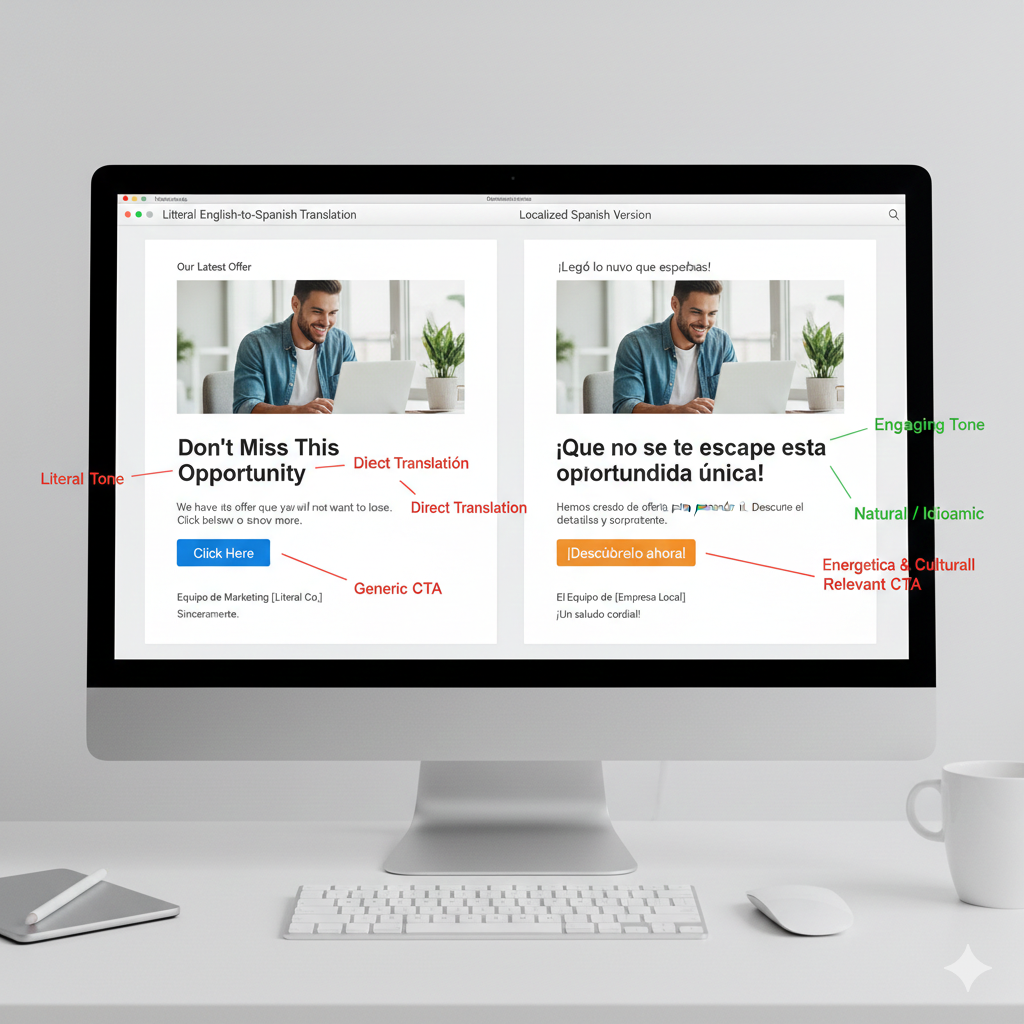
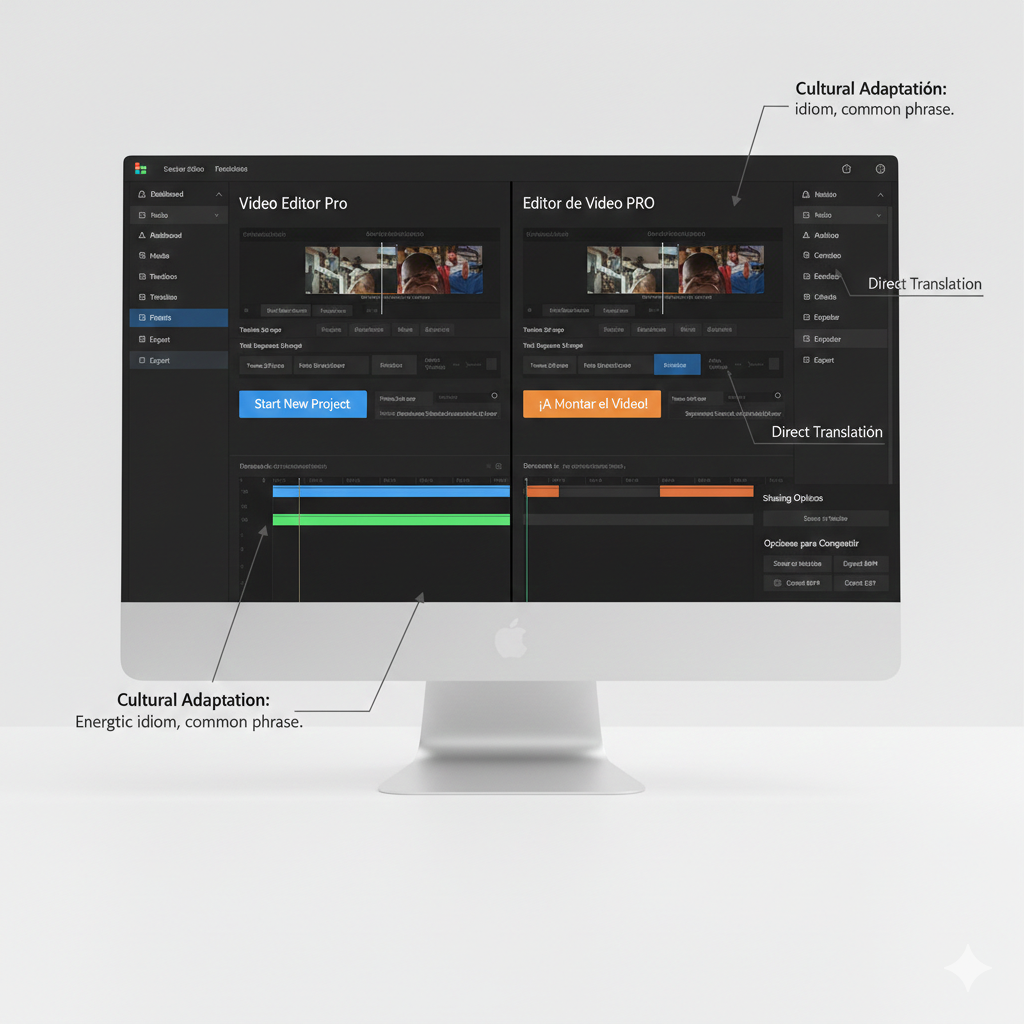
If you wouldn’t say “optimize multichannel content flows” in conversation, don’t put it on your website either.
👂 3. Listen to how your clients talk
Real phrases from your clients can inspire copy that’s far clearer and warmer than any copywriting technique.
🎯 4. Be specific
Don’t say “I help with multilingual communication,” say “I review your website translations so they sound natural, clear, and on-brand.”
What if I don’t know where to start?
One way to start is to choose a single idea you want to get across (for example: how you work, what kind of projects you enjoy, what mistakes you tend to fix) and write about it as if you were telling it to an ideal client who already appreciates you.
Would you like guided support with your messaging?
In my Ruta program, I work with linguists who want to fine-tune their copy — website, profile, emails — so it sounds authentic, works, and opens doors. No empty formulas.